The External ID was correct every time
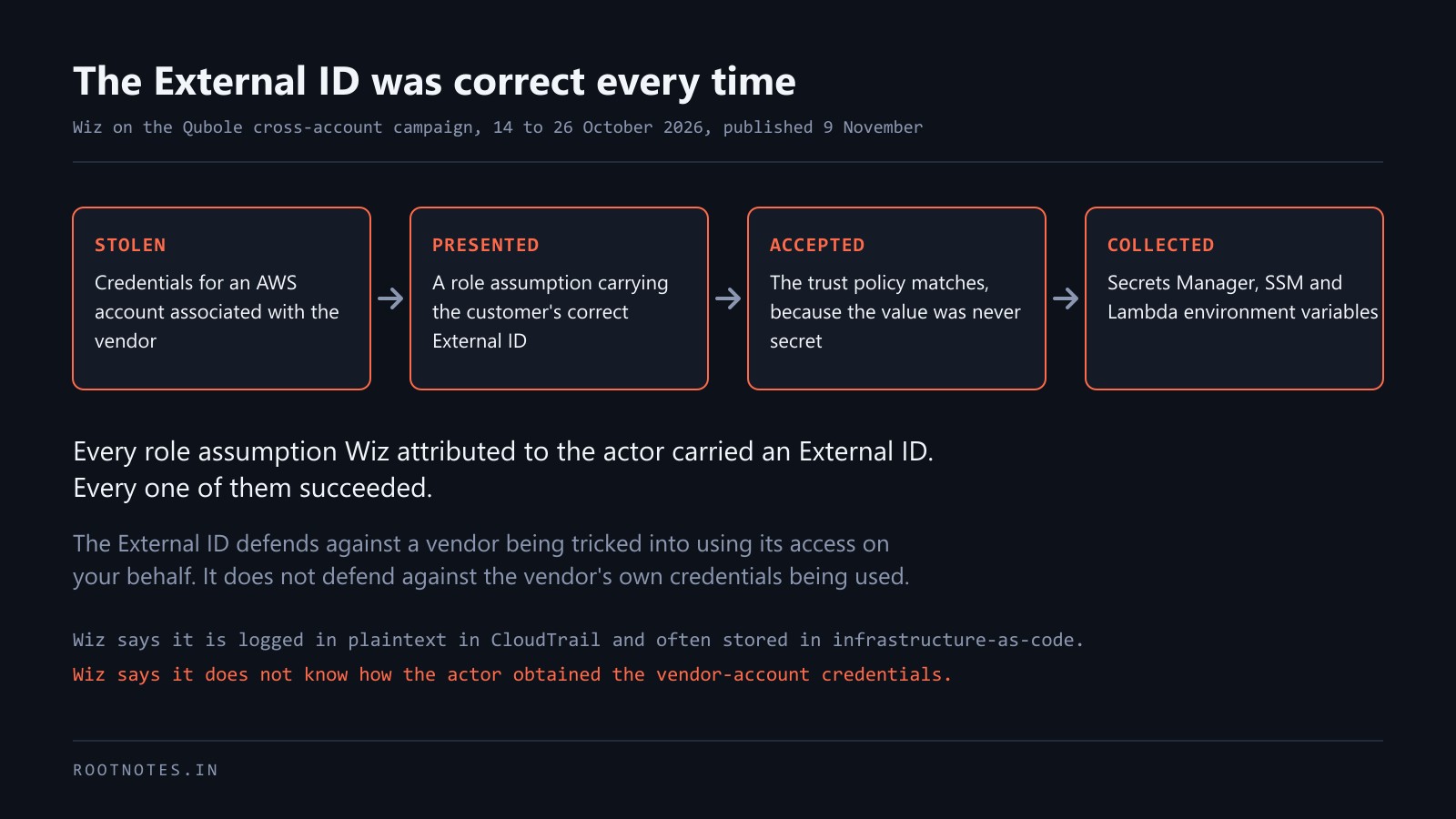
An attacker used credentials from a Qubole AWS account to assume roles in customer environments. Every request carried a valid External ID, the control AWS built for this exact risk, and every one succeeded.
grep -rl "secrets" ./articles

An attacker used credentials from a Qubole AWS account to assume roles in customer environments. Every request carried a valid External ID, the control AWS built for this exact risk, and every one succeeded.

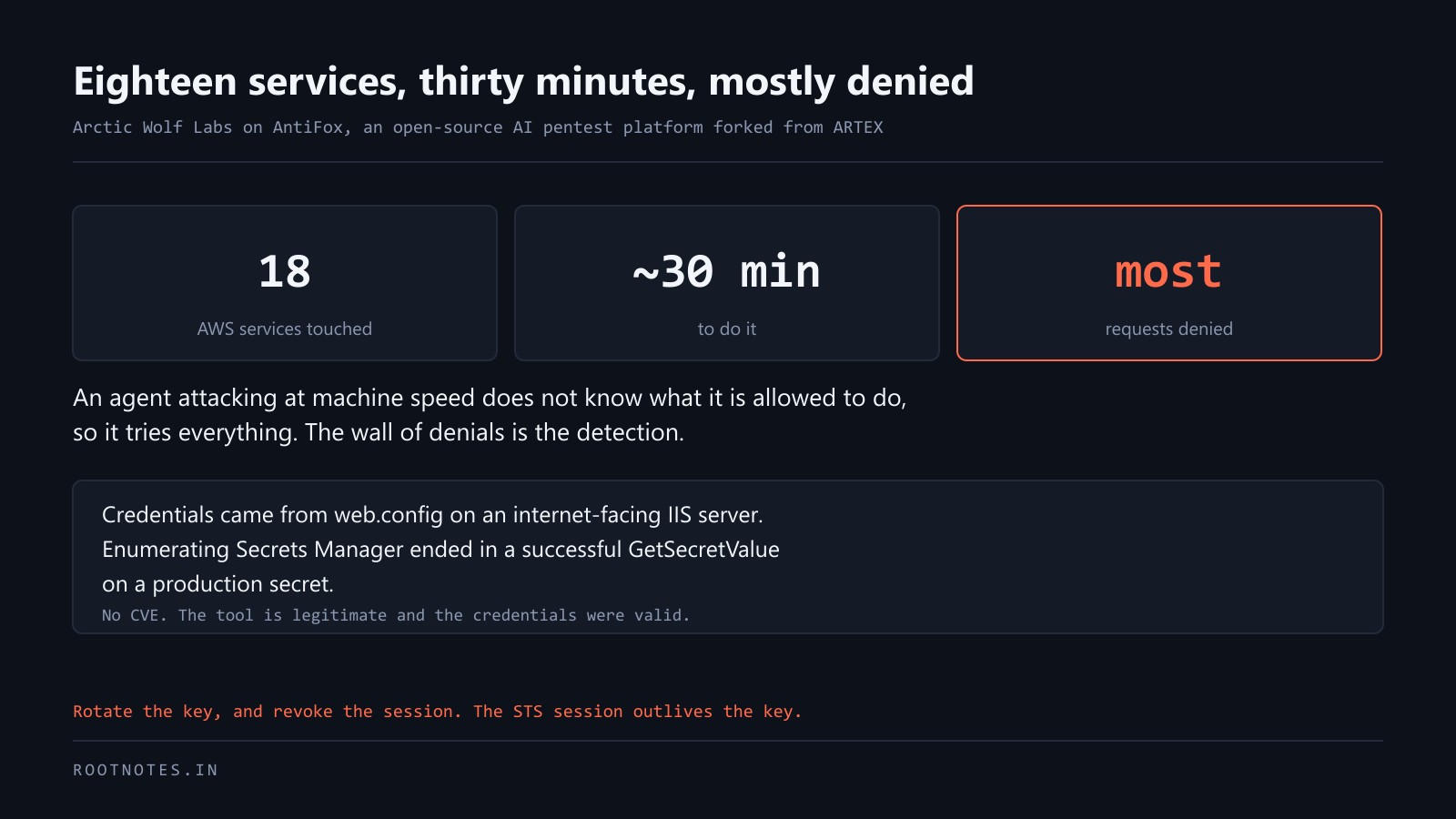
Arctic Wolf found attackers running an open-source AI pentest platform against AWS environments. It touched eighteen services in half an hour and most of what it tried failed, which is the most useful thing in the report.

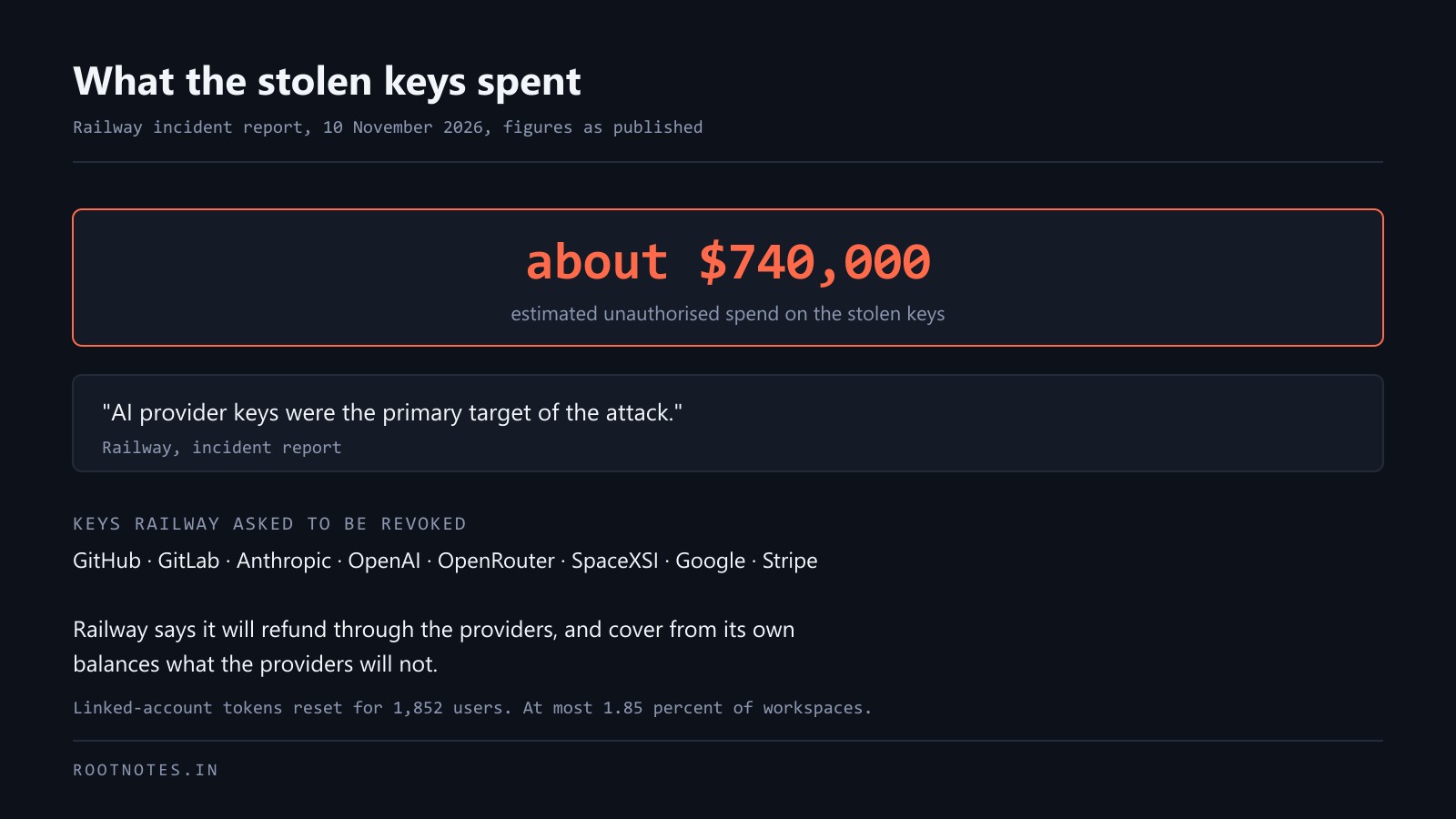
Railway's incident report puts the unauthorised spend on stolen customer AI keys at about 740,000 dollars. It says AI provider keys were the primary target, and that it will cover from its own balances what the providers will not refund.

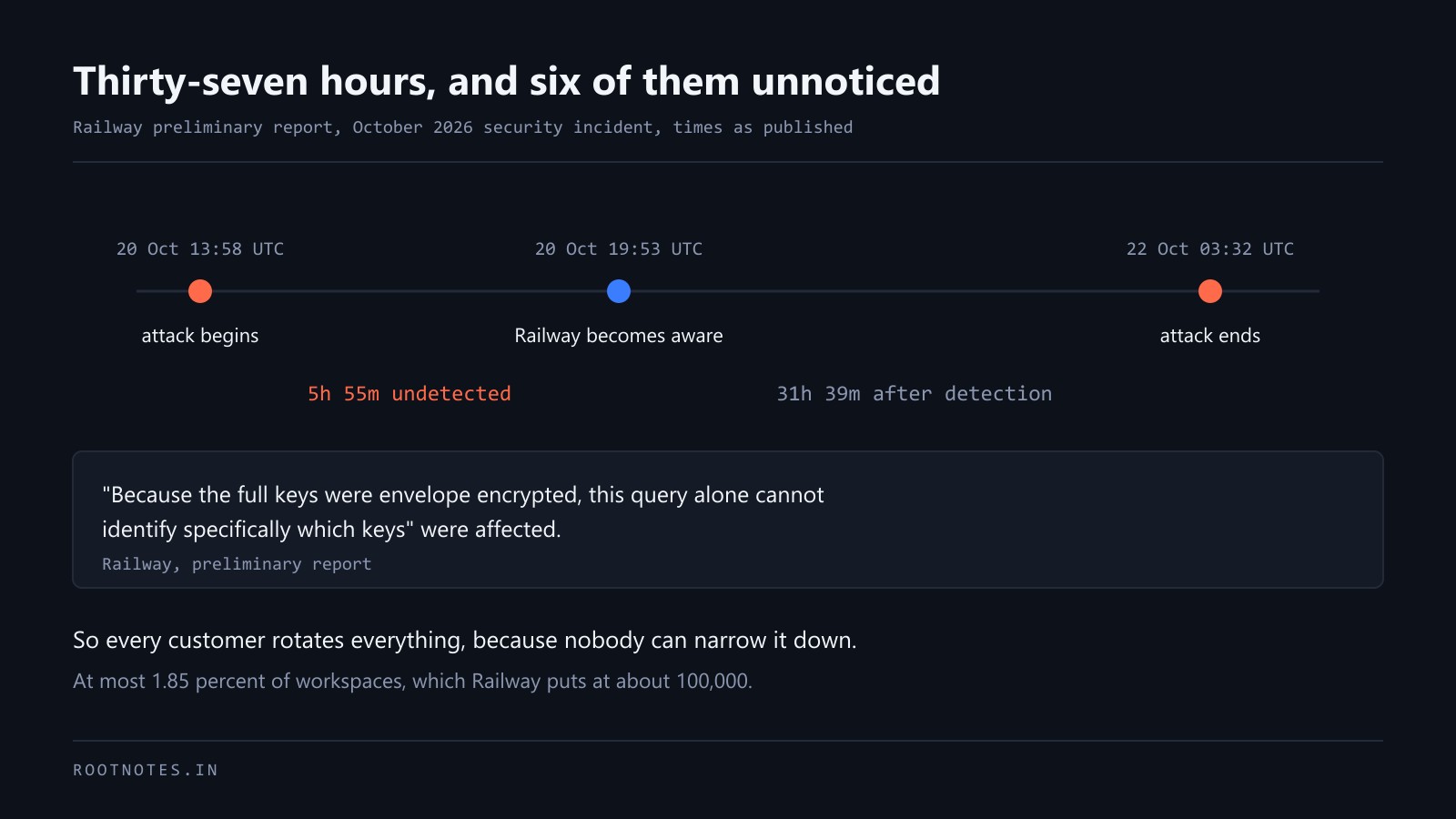
Railway's preliminary report says the attacker was inside for thirty-seven hours and that a subset of environment variables was decrypted. It also says the key design that protected them stops Railway identifying which ones.

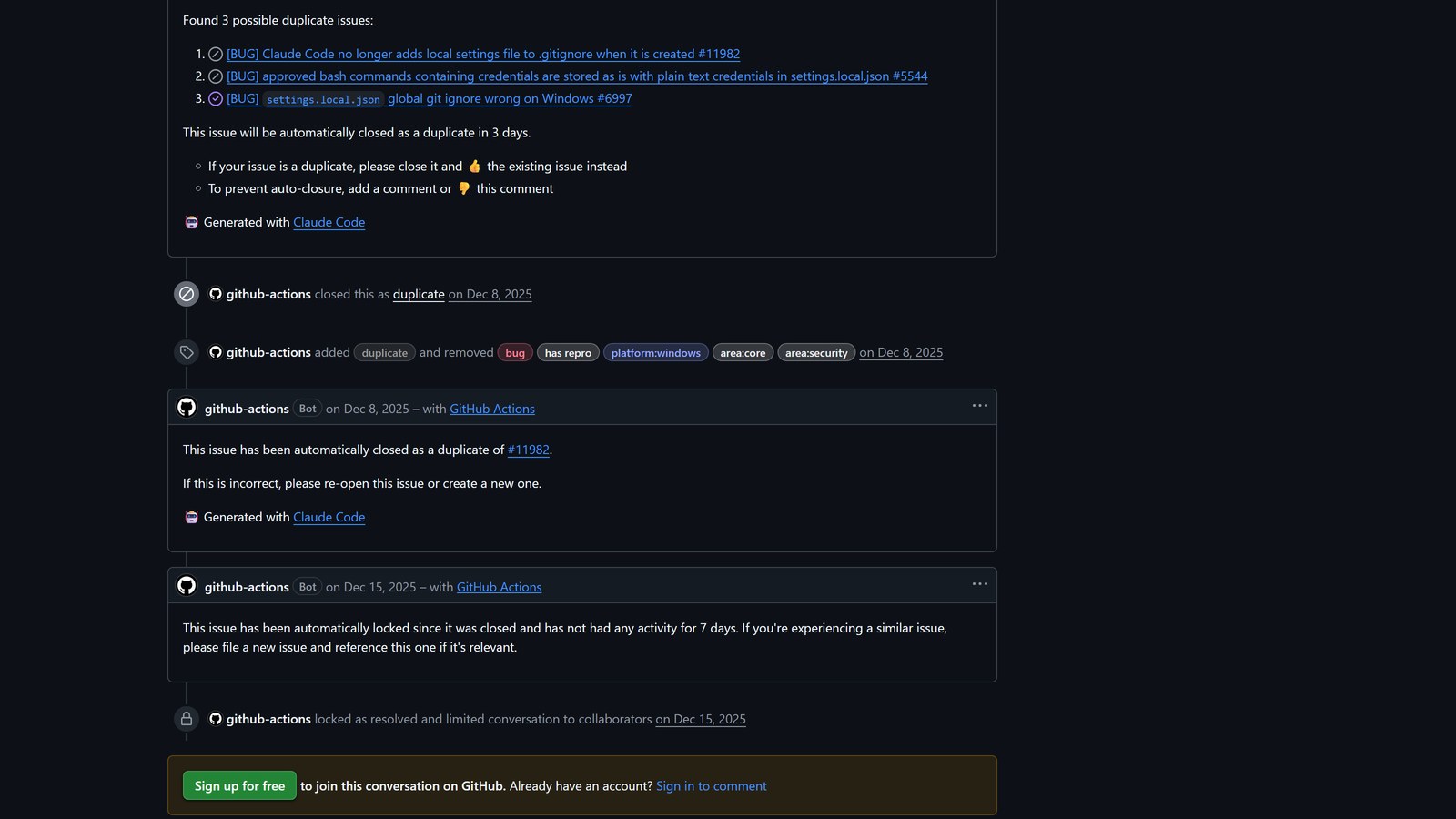
Claude Code writes approved commands into a settings file in your repository, secrets included, and does not add it to gitignore. Research found 1,122 public copies carrying secrets. The behaviour was reported eleven months ago and closed automatically.
GitGuardian's update records about 1,900 compromised GitHub accounts and more than 30,000 repositories targeted on 8 and 9 October. The number missing from every headline is how many secrets the campaign actually took, and the one wave with a published answer makes the gap look enormous.
Socket's latest GhostAction wave commits a credential-stealing GitHub Actions workflow straight to default branches. The payload is reusable, but the attackers read each repository's existing workflows first to learn which secret names to ask for. The October variant also sweeps the full git history.
Truffle Security spent four years pulling AWS keys out of repositories, Git history, Docker images and CI logs. Of the ones it could fully verify, 88% still authenticated this month. The median key was five years old, the oldest 17.4, and only 13.7% had ever been rotated.